


You take a sip of ice water or bite into something cold, and one tooth reacts more than the others.
It’s not always sharp pain, but it’s noticeable enough to make you stop for a second. Sometimes it goes away right after, and other times it lingers just long enough to make you wonder what’s going on. When it keeps happening, the question usually comes up pretty quickly—does this mean there’s a cavity?
The short answer is that it can, but it’s not the only reason teeth react to cold.
Why Teeth React to Cold in the First Place
Teeth are designed to handle temperature changes, but they rely on enamel to protect the more sensitive inner layers.
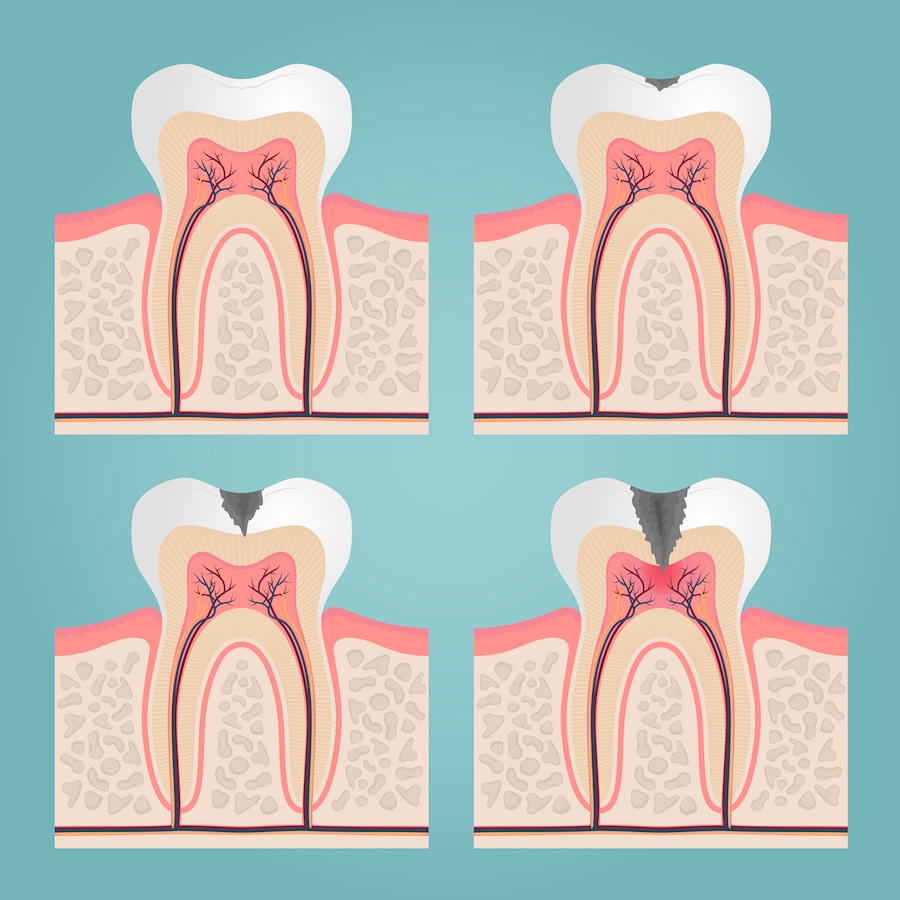
When enamel is strong and intact, it acts as a barrier. Underneath that layer is dentin, which contains tiny pathways that connect to the nerve of the tooth. If those pathways become exposed, cold temperatures can travel more easily to the nerve, creating that quick, sharp sensation.
Cold sensitivity usually means something has changed in how well that outer layer is protecting the tooth. The cause of that change can vary.
When Cold Sensitivity Points to a Cavity
A cavity can be one of the reasons a tooth becomes sensitive to cold.
As decay develops, it breaks down enamel and creates small openings in the surface of the tooth. Once that happens, the inner layers are less protected, and temperature changes can reach the nerve more easily.
In the early stages, this sensitivity may come and go, especially with cold drinks or sweets. As the cavity gets deeper, the sensation may become more noticeable or last longer. Catching it at that earlier stage often means the treatment is simpler, usually involving a small filling.
Other Common Causes of Cold Sensitivity
Not every sensitive tooth has a cavity behind it.
Gum recession is a common cause, especially if the root surface of the tooth becomes exposed. The root doesn’t have the same protective enamel as the crown, so it tends to react more strongly to cold.
Worn enamel from grinding or brushing too aggressively can also lead to sensitivity. In some cases, recent dental work, like a filling or whitening treatment, can temporarily make teeth more reactive as well.
Because there are several possible causes, it’s not always easy to tell the difference without an exam.
How to Tell If It’s Something That Needs Attention
However, the way the sensitivity behaves can give some clues. If it’s brief and only happens occasionally, it may be related to enamel wear or minor exposure. If it’s becoming more frequent, more intense, or starts to linger after the cold is gone, it’s worth having it checked.
Pain when biting, sensitivity to sweets, or a constant ache are also signs that go beyond simple sensitivity. Those symptoms can point to a cavity or another issue that needs treatment rather than just monitoring.
What You Can Do in the Meantime
If the sensitivity is mild, there are a few things that can help while you figure out the cause.
Using a toothpaste designed for sensitive teeth can reduce how reactive the nerve feels over time. Being mindful of very cold foods or drinks for a short period can also help limit discomfort. If brushing pressure has been a factor, switching to a softer technique can prevent further enamel wear. A professional fluoride treatment in our office can also help reduce sensitivity.
These steps can make things more comfortable, but they don’t replace having the tooth evaluated if the sensitivity continues.
Why It’s Worth Checking Sooner Rather Than Later
When sensitivity is tied to a cavity, it usually doesn’t stay at that early stage.
Decay tends to progress over time, which can lead to more noticeable discomfort and more involved treatment if it isn’t addressed. On the other hand, if the sensitivity is coming from something less serious, it’s still helpful to know that and have a plan to manage it.
Having it checked removes the guesswork and gives you a clear answer about what’s going on.
Dental Care in Baton Rouge, LA at Jones Creek Family Dentistry
At Jones Creek Family Dentistry in Baton Rouge, LA, Dr. Courtney Perkins Jones helps patients sort out what’s behind symptoms like cold sensitivity and determine whether it’s something that needs treatment or just monitoring.
If you’ve noticed one tooth reacting more than the others or sensitivity that keeps coming back, it’s worth scheduling an appointment! A comprehensive dental exam can help identify the cause and make sure small issues don’t turn into bigger ones.
Contact Us