

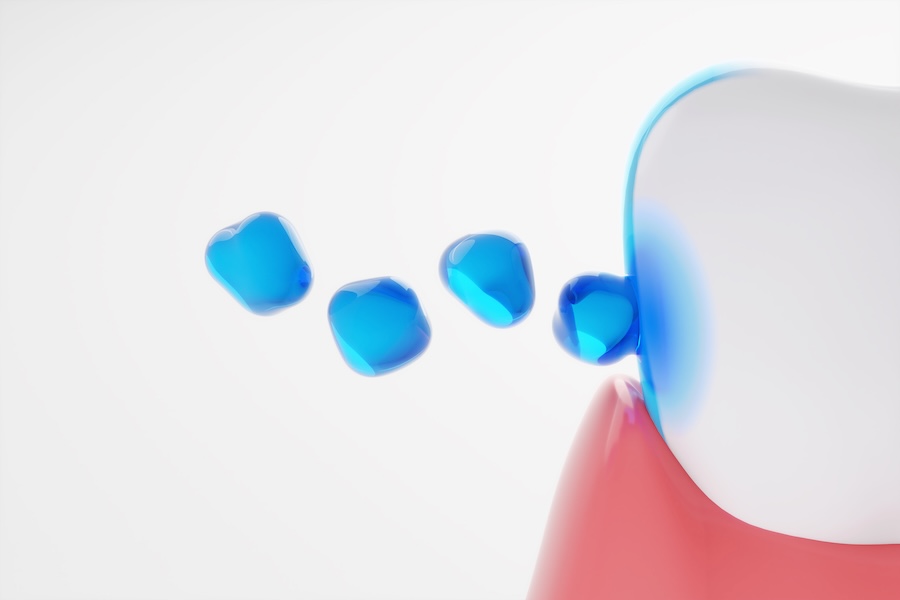
After a professional fluoride treatment, the teeth may feel coated, sticky, or slightly rough for the rest of the day. Then the varnish brushes away, which can make the whole thing seem surprisingly temporary. Patients often wonder how something that disappears so quickly can keep helping for months.
The coating itself is not meant to stay on the teeth permanently. Its job is to hold a concentrated amount of fluoride against the enamel long enough for the tooth surface to absorb and use it. That is also why the dental team may ask you to avoid brushing for several hours or leave the varnish on overnight.
Once the coating wears away, the treatment has not suddenly stopped working. The fluoride has already begun supporting the enamel, helping it recover from early mineral loss and become more resistant to future acid exposure. For many patients, that added protection continues for several months.
At Jones Creek Family Dentistry in Baton Rouge, LA, Dr. Courtney Perkins Jones can recommend a fluoride schedule based on the condition of your teeth. Cavity history, dry mouth, gum recession, medications, diet, and enamel strength can all affect how often treatment makes sense.
How Long the Protective Benefit Usually Lasts
For many people, the added protection from a professional fluoride treatment continues for several months. This is why fluoride is commonly applied during routine preventive visits rather than every few weeks. A six-month interval is common, although it is not the right schedule for everyone.
Someone with a lower risk of decay may need treatment less often. However, a patient who continues developing new cavities, has dry mouth, or has exposed roots may benefit from a shorter interval. The timing should reflect how vulnerable the teeth are between visits.
Professional fluoride treatments are often recommended every three, six, or twelve months based on cavity risk. That general range is supported by the American Dental Association, although the final recommendation should still be personalized.
Why the Varnish Does Not Need to Stay on for Months
Fluoride varnish creates a short period of concentrated contact with the teeth. During that time, fluoride becomes available at the enamel surface and supports remineralization. The varnish only needs several hours of contact to begin doing its job.
Every day, enamel loses small amounts of mineral when acids form in the mouth. Saliva helps replace some of those minerals, while fluoride strengthens that repair process and helps the surface resist later acid exposure. The teeth continue benefiting even after the temporary coating has worn away.
By the next day, the teeth may feel completely normal again. That does not mean the treatment lasted only overnight. The coating was temporary, while the protective effect may continue for months.
Why You May Be Asked Not to Brush Right Away
After fluoride varnish is placed, patients are often told to wait before brushing and flossing. Some products are meant to remain on the teeth for several hours, while others may be left on until the next morning. Waiting allows the varnish to keep releasing fluoride against the tooth surface.
Brushing too soon can remove much of the coating before that contact period is complete. The dental team may also suggest avoiding hot, crunchy, or sticky foods for a while because they can disturb or pull away the varnish sooner.
Once the recommended waiting period has passed, normal brushing and flossing can resume. The exact timing depends on the product used, so the instructions given at the appointment are the ones to follow.
Why the Timing Is Different for Each Patient
Fluoride needs are shaped by more than age. Recent cavities, saliva flow, exposed roots, diet, medications, orthodontic appliances, and the condition of existing dental work can all affect how much protection a person needs.
Someone who has gone years without a cavity may do well with fluoride during regular cleanings. However, a patient who continues developing decay between visits may need more frequent applications along with changes to home care or diet.
The schedule can also change over time. A person who once had a low cavity risk may begin taking a medication that causes dry mouth, develop gum recession, or start having decay around older fillings and crowns. Fluoride recommendations should be reviewed as those conditions change.
Who May Need Fluoride Every Three Months
Patients with a high cavity risk may benefit from fluoride treatment more often than twice a year. A three-month schedule may be considered when new cavities continue to appear or when several factors are making the teeth more vulnerable.
Dry mouth is one common reason. Saliva normally clears food, dilutes acid, and carries minerals back to the enamel, so reduced saliva can allow cavities to develop more quickly.
Frequent cavities, exposed roots, braces, crowded teeth, and certain dental restorations may also make plaque harder to remove. In those cases, more regular fluoride treatment can add support while the underlying risks are being managed.
The shorter interval does not always continue forever. If cavity activity slows, dry mouth improves, or braces are removed, the schedule may be extended again.
Why Dry Mouth Changes the Fluoride Schedule
Dry mouth can develop because of medications, medical conditions, dehydration, or changes in the salivary glands. Some patients notice constant thirst, sticky saliva, difficulty swallowing dry foods, or a mouth that feels especially dry at night.
Without enough saliva, acids remain in contact with the teeth longer and food residue clears more slowly. Cavities may begin forming near the gumline, around existing dental work, or between teeth that were previously healthy.
Fluoride can help strengthen these vulnerable areas, although it is only one part of the plan. Dr. Jones may also discuss hydration, saliva-support products, prescription toothpaste, or changes to the preventive visit schedule.
Someone with significant dry mouth may need professional fluoride more often than a patient whose saliva is providing stronger natural protection. The recommendation depends on both the severity of the dryness and the pattern of decay.
Exposed Roots May Need Extra Protection
When gums recede, part of the tooth root becomes exposed. Root surfaces do not have the same thick enamel covering as the visible portion of the tooth, so they are more vulnerable to sensitivity and decay.
A patient who had very few cavities earlier in life may begin developing them along the gumline once recession appears. Professional fluoride can help strengthen those areas and may also reduce sensitivity to cold or sweets.
The treatment interval depends on how much root surface is exposed and whether decay is already developing. Some patients do well with fluoride at routine visits, while others need treatment more often.
Dr. Jones may also recommend a prescription fluoride toothpaste when several exposed areas need daily support. That can help extend protection between office visits.
Children and Teenagers May Need a Different Schedule
Children often receive fluoride because newly erupted teeth are still maturing and brushing skills are still developing. Deep grooves in back teeth, frequent snacks, braces, and a recent history of cavities can all raise the risk of decay.
A child with no recent cavities and strong home care may follow a routine six-month schedule. Another child with several active concerns may benefit from fluoride every three months for a period of time.
The recommendation can change as the child grows. Braces come off, brushing improves, eating habits shift, and cavity patterns may become more stable.
Fluoride remains one part of preventive care rather than a stand-alone solution. Daily brushing, cleaning between teeth, and limiting frequent sugar exposure still shape the long-term result.
Adults Can Benefit From Fluoride Too
Fluoride is not only for children. Adults with dry mouth, gum recession, repeated cavities, sensitive roots, or extensive dental work may benefit just as much.
Unfortunately, crowns, bridges, and fillings do not make the surrounding teeth immune to decay. Cavities can develop along restoration edges when plaque collects there or saliva flow is low.
Older adults may also develop a new cavity pattern as gumlines recede and medications affect the mouth. Professional fluoride can become more important later in life, even for someone who rarely had cavities when younger.
The recommendation should reflect current risk rather than age alone. A healthy adult with no recent decay may need a very different schedule from someone taking several medications that reduce saliva.
How Daily Habits Affect the Benefit
Fluoride strengthens enamel, but it cannot cancel out constant sugar or acid exposure. A person who sips soda, sweet tea, juice, or energy drinks throughout the day keeps creating new acid attacks between meals.
Frequent snacking can have a similar effect, especially with crackers, chips, candy, dried fruit, and other foods that remain on the teeth. The more often bacteria receive sugar or starch, the less recovery time the enamel gets.
Brushing twice a day with fluoride toothpaste helps maintain regular exposure between office treatments. Drinking water between meals and grouping snacks into fewer eating periods can also help the teeth recover.
Professional fluoride adds support to those habits, but it does not replace them. The treatment works best when the teeth also get regular breaks from sugar and acid.
How Long Fluoride May Help With Sensitivity
Fluoride is sometimes placed on exposed roots or worn enamel to reduce sensitivity. Some patients notice improvement soon after treatment, while others need several applications or a prescription product at home.
The relief may continue for months, although the cause of the sensitivity still affects the result. Ongoing gum recession, grinding, enamel erosion, or aggressive brushing may allow the discomfort to return.
Sensitivity in one tooth, pain that lingers, or discomfort while biting should be examined rather than treated as routine sensitivity. A crack, cavity, loose filling, or inflamed nerve may need a different type of care.
Fluoride can calm vulnerable surfaces, but it cannot correct every source of tooth pain. The pattern and duration of the sensitivity help guide the next step.
Prescription Fluoride Between Visits
Some patients need more support than standard toothpaste and occasional varnish provide. In those cases, Dr. Jones may recommend prescription-strength fluoride toothpaste, gel, or another home product.
These products provide regular fluoride exposure between office visits. They may be especially helpful for severe dry mouth, repeated root cavities, radiation-related changes, or a long history of new decay. Prescription fluoride should be used exactly as directed. The stronger concentration is meant to be used in a specific way, not simply more often. Even with a prescription product, routine examinations remain important. Fluoride cannot repair a broken filling, loose crown, or active cavity that already needs treatment.
How the Dentist Decides Whether the Schedule Is Working
Dr. Jones will look at whether new cavities are forming, whether early weak areas remain stable, and whether exposed roots are staying healthy. Changes in sensitivity and the condition of existing dental work can offer more information as well.
If the mouth remains stable, the current interval may be working well. However, several new cavities between visits may lead to more frequent fluoride, prescription toothpaste, diet changes, or closer preventive follow-up.
These recommendations may shift as health, medications, habits, and dental conditions change. A schedule that worked well several years ago may no longer fit what the teeth need today.
The decision is based on patterns over time rather than one appointment by itself. That allows the fluoride plan to become more or less intensive as the risk changes.
Fluoride Treatment at Jones Creek Family Dentistry in Baton Rouge
For many patients, the cavity-prevention benefit from professional fluoride continues for several months. A six-month interval is common, although someone at higher risk may benefit from treatment every three months and a lower-risk patient may need it less often.
At Jones Creek Family Dentistry in Baton Rouge, LA, Dr. Courtney Perkins Jones can review your cavity history, saliva flow, gum recession, sensitivity, medications, and home-care routine before recommending a schedule. She can also explain how long to leave the varnish undisturbed and whether a prescription fluoride product would provide added support between visits.
Schedule a preventive dental visit with Jones Creek Family Dentistry to find out how often fluoride treatment makes sense for your teeth. The right interval should match your current cavity risk rather than follow a fixed schedule year after year.
Contact Us